How to Get Your Child Off Video Games Without Daily Arguments
Family lifes|February 28, 2026The Truth About Morning Sickness and How to Actually Survive It
Pregnancy|February 17, 2026How Sleep Affects Child Growth and Immunity: A Parent’s Guide
Kids|February 7, 2026How Much Sleep Children Really Need by Age: The Complete Guide
Kids|January 3, 2026A Parent’s Guide to the Best Phone Plan for Kids
Kids|October 7, 2025Safe Skincare And Beauty Products During Pregnancy
Pregnancy|October 5, 2025How to Discipline Kids Without Fear or Punishment: A Complete Guide
Modern parenting has evolved beyond traditional authoritarian methods. Research shows children thrive when discipline stems from connection rather than control, creating long-term behavioral success without emotional damage.
Today's parents seek effective strategies that build self-regulation and respect. This comprehensive guide explores science-backed approaches to raising well-behaved children through positive methods that strengthen your relationship while teaching essential life skills.
Understanding Discipline Versus Punishment
Discipline and punishment represent fundamentally different approaches. Punishment focuses on making children suffer for mistakes, while discipline teaches them how to make better choices. When you punish, you create fear that may stop behavior temporarily, but fails to build internal motivation.
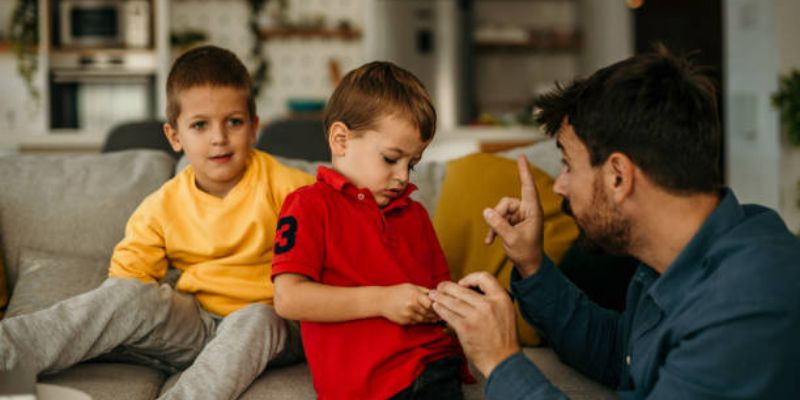
Discipline comes from the Latin word meaning "to teach." Your role shifts from enforcer to guide when you embrace this perspective. Children learn problem-solving skills and develop emotional intelligence rather than simply avoiding consequences out of fear.
The brain science supports this distinction clearly. Punishment activates the amygdala, triggering fight-or-flight responses that shut down learning centers. Discipline engages the prefrontal cortex, where reasoning and self-control develop throughout childhood and adolescence.
Building Strong Parent-Child Connections
Connection forms the foundation of effective discipline without punishment. Children naturally want to please adults they feel close to and respected by. When your relationship is strong, kids are more receptive to guidance and correction.
Spend individual time with each child regularly. These moments don't require elaborate activities or expensive outings. Simple conversations during car rides, cooking together, or playing their favorite games build bonds that make discipline easier.
Listen actively when children share feelings or experiences. Put away devices, make eye contact, and reflect what you hear. This validation strengthens trust and makes children more likely to accept boundaries you set later.
Physical affection matters tremendously for connection. Hugs, high-fives, and sitting close during reading time release oxytocin, the bonding hormone. Children who receive regular positive touch show better behavioral outcomes and emotional regulation.
Setting Clear Expectations And Boundaries
Children need to understand what you expect before they can meet those expectations. Vague rules like "be good" confuse kids, while specific guidelines provide clarity. State expectations in positive terms whenever possible, describing what to do rather than what not to do.
Create family rules together through discussions that include age-appropriate input from children. When kids participate in rule-making, they develop ownership and understanding. Keep your list short, focusing on non-negotiable safety issues and core family values.
Consistency matters more than perfection when enforcing boundaries. Children test limits to understand their world, not to frustrate you. When you respond predictably to boundary violations, kids learn cause and effect, developing self-discipline over time.
Visual reminders help younger children remember expectations. Picture charts showing morning routines or behavior guidelines serve as external memory supports. Refer to these tools neutrally rather than using them as weapons during conflicts.
Using Natural And Logical Consequences
Natural consequences occur automatically when children make poor choices. If your child refuses to wear a coat, they feel cold. If they don't complete homework, they face teacher disappointment. These lessons teach responsibility without parental intervention.
Step back and allow natural consequences when safety isn't at risk. Resist the urge to rescue children from every uncomfortable situation. Experiencing manageable discomfort builds resilience and problem-solving skills that serve them lifelong.
Logical consequences connect directly to misbehavior when natural results don't exist or aren't safe. If your child draws on walls, they clean them. If they break a toy through carelessness, they contribute money toward replacement.
The key difference between logical consequences and punishment is respect. Consequences are proportionate, related to the behavior, and delivered calmly. Punishment is often arbitrary, excessive, and administered in anger, damaging your relationship while teaching little.
Positive Reinforcement Strategies
Catch children being good more often than you correct misbehavior. Specific praise reinforces desired actions and builds self-esteem. Instead of generic "good job," describe exactly what you noticed: "You shared your toy with your sister without being asked."
Create reward systems that acknowledge effort rather than just outcomes. Sticker charts, special privileges, and earned activities motivate children effectively when used thoughtfully. Avoid using food as rewards, which can create unhealthy relationships with eating.
Intrinsic motivation matters more than external rewards in the long term. As children mature, help them recognize how good behavior benefits them directly. Pride in accomplishment, improved friendships, and personal satisfaction sustain discipline better than parent-controlled rewards.
Celebrate progress rather than demanding perfection. When children struggle with specific behaviors, acknowledge small improvements enthusiastically. This approach builds confidence and perseverance, essential qualities for self-discipline throughout life.
Teaching Emotional Regulation Skills
Children cannot control their behavior when overwhelmed by emotions. Teaching them to identify and manage feelings prevents many discipline issues before they escalate. Name emotions when you see them: "You seem frustrated that your tower keeps falling."
Model healthy emotional expression yourself. When you feel angry, narrate your coping strategies aloud: "I'm feeling upset right now, so I'm taking deep breaths to calm down." Children learn more from watching you than from any lecture.
Create a calm-down space in your home filled with sensory tools. Stress balls, coloring supplies, soft pillows, and quiet music help children self-regulate. Present this space as a helpful resource, never as a punishment or a means of isolation.
Practice emotional skills during calm moments, not during meltdowns. Role-play challenging situations, read books about feelings, and discuss different coping strategies. These lessons become accessible during stressful times through consistent practice.

Problem-Solving Together
Involve children in finding solutions to recurring behavior issues. When your child struggles to get ready for school on time, brainstorm ideas together. This collaborative approach teaches critical thinking while increasing buy-in for solutions.
Ask open-ended questions that promote reflection: "What could we try differently tomorrow?" or "What might help you remember to clean up?" Resist providing all the answers, allowing children to develop their own strategies whenever possible.
Implement agreed-upon solutions as experiments. If the first idea doesn't work, revisit the problem together without blame. This trial-and-error process mirrors real-world problem-solving and builds resilience around failure.
Follow up on solutions regularly. Brief check-ins show you value their input and allow for adjustments. Children feel respected when you take their ideas seriously, strengthening cooperation and self-discipline.
Age-Appropriate Discipline Approaches
Toddlers need simple, immediate responses to behavior. Their limited language and impulse control require redirection and environmental management more than reasoning. Remove temptations, offer choices between acceptable options, and stay calm during tantrums.
Preschoolers understand basic cause and effect. Short, clear consequences work well at this age, along with increased positive reinforcement. Time-in strategies, where children stay near you while calming down, work better than traditional timeouts.
Elementary-aged children can engage in more sophisticated discussions about behavior. They benefit from problem-solving conversations and can understand how their actions affect others. Logical consequences make sense to their developing sense of fairness.
Teenagers require respect and autonomy while still needing boundaries. Collaborative discipline approaches work best during these years. Focus on natural consequences, maintain connection through conflicts, and choose battles wisely to preserve your relationship.
Preventing Behavioral Issues Proactively
Meet Basic Needs Before Addressing Behavior
Many discipline challenges disappear when you meet children's basic needs consistently. Ensure adequate sleep, nutritious food, physical activity, and downtime. Tired, hungry, overstimulated children cannot regulate behavior effectively, regardless of your parenting approach.
Use Predictable Routines to Reduce Power Struggles
Maintain predictable routines that provide security and reduce power struggles. Morning, homework, meal, and bedtime routines create structure that helps children know what comes next. Visual schedules support younger children in following routines independently.
Prevent Discipline Issues by Preparing Children in Advance
Anticipate challenging situations and prepare children in advance. Before entering stores, restaurants, or other testing environments, review expectations clearly. This proactive approach prevents many issues before they start.
Identify Behavior Triggers Instead of Reacting to Misbehavior
Notice patterns in misbehavior to identify triggers. Does your child act out when hungry, during transitions, or around certain people? Understanding these patterns allows you to address underlying needs rather than just reacting to surface behaviors.
Repairing Relationships After Conflicts
Repairing Conflict Through Accountability and Apology
Even with the best approaches, conflicts happen. How you repair these ruptures matters enormously for long-term outcomes. Apologize sincerely when you overreact or handle situations poorly. Modeling accountability teaches children this essential life skill more powerfully than any lecture.
Rebuilding Emotional Safety After Discipline
Reconnect physically and emotionally after discipline moments. A hug, kind words, or quality time together reassures children that your love remains constant despite their mistakes. This security allows them to learn from experiences rather than dwelling in shame.
Reflecting Calmly to Teach Better Choices
Discuss what happened once everyone feels calm. Help children understand the impact of their behavior without shaming them. Focus on future choices rather than past failures, building optimism anda growth mindset.
Forgiveness and Fresh Starts Build Lasting Trust
Forgive genuinely and move forward without holding grudges. Children need clean slates to try again tomorrow. Bringing up past mistakes during new conflicts damages trust and motivation to improve.
Handling Resistance And Defiance
Understand the Root Cause Behind Defiant Behavior
Defiance often signals unmet needs rather than intentional disrespect. Before reacting to opposition, get curious about underlying causes. Is your child overtired, feeling controlled, seeking attention, or lacking skills to meet your expectations?
Use Limited Choices to Reduce Power Struggles
Offer limited choices to provide autonomy within your boundaries. "Do you want to start homework before or after your snack?" gives control while ensuring homework happens. This simple strategy reduces power struggles dramatically.
Model Calmness and Emotional Self-Control
Stay calm when children push back. Your emotional regulation models the self-control you want them to develop. Take deep breaths, lower your voice, and speak slowly when you feel frustrated.
Choose Your Battles to Preserve Influence
Pick your battles wisely, especially with strong-willed children. Some issues matter tremendously for safety and values, while others simply aren't worth the relational cost. Flexibility on minor issues preserves your influence for truly important matters.

Teaching Responsibility And Accountability
Building Discipline Through Age-Appropriate Responsibilities
Children develop discipline through age-appropriate responsibilities. Household chores, pet care, homework management, and personal hygiene tasks build competence and ownership. Start small and increase expectations gradually as children demonstrate readiness.
Letting Natural Consequences Teach Responsibility
Allow children to experience consequences of irresponsibility without excessive nagging or rescuing. If your child forgets their lunch, don't rush to school with it. The discomfort of hunger teaches powerful lessons about personal responsibility.
Correcting Behavior Without Labeling the Child
Separate the behavior from the child's identity. "You made a poor choice" differs significantly from "You're a bad kid." This distinction allows children to own mistakes without shame that damages self-concept.
Teaching Accountability Through Restorative Actions
Encourage making amends when behavior harms others. Apologies matter, but actions speak louder. If your child hurts a sibling, they might draw an apology picture or help with that sibling's chores. These restorative actions teach accountability and empathy.
Staying Consistent As A Parenting Team
Parenting partners must align on discipline approaches. Children exploit the inconsistency between caregivers, learning to play adults against each other. Regular conversations about expectations, consequences, and strategies keep everyone on the same page.
Handling Disagreements Without Undermining Authority
Present a united front to children, even when you disagree privately. Never undermine your partner's discipline decisions in front of kids. Discuss differences away from children and adjust approaches together.
Setting Discipline Boundaries With Extended Family and Caregivers
Extended family members and caregivers need clarity on your discipline philosophy. Share your expectations respectfully but clearly. While they may not implement every strategy perfectly, establishing core non-negotiables protects your progress.
Creating Consistency as a Single Parent
Single parents can create consistency through predictable personal responses. When you're the only decision-maker, your reliability matters even more. Develop clear rules and consequences, then follow through consistently to build trust and security.
Growing Your Discipline Skills Over Time
Stay Flexible and Adapt to Each Child
Parenting without punishment requires ongoing learning and adjustment. What works beautifully for one child may fail with another. Stay flexible, observe what produces positive results, and adapt your approach based on outcomes.
Use Parenting Resources for Continued Growth
Seek resources when you feel stuck. Books, podcasts, parenting classes, and professional support provide fresh perspectives and evidence-based strategies. Investing in your parenting education pays dividends throughout your children's lives.
Show Yourself Grace as a Parent
Practice self-compassion when you make mistakes. Every parent loses patience, overreacts occasionally, or implements consequences they later regret. Learn from these moments rather than spiraling into guilt that serves no one.
Acknowledge Progress and Celebrate Wins
Celebrate your successes and your children's growth. Notice when positive discipline strategies work, when children make better choices, and when family dynamics improve. This gratitude sustains you through challenging developmental phases.
Raising Self-Disciplined Adults
The ultimate goal is to raise adults who regulate themselves effectively. Children who grow up without fear-based punishment develop stronger internal motivation, better problem-solving skills, and healthier relationships. They learn from mistakes rather than avoiding detection.
Self-discipline emerges gradually through years of coaching, not from strict control during childhood. Trust this developmental process even when progress feels slow. The investment you make today in respectful, teaching-focused discipline creates capable, confident adults tomorrow.
Your relationship with your children will outlast their childhood. Parenting approaches built on connection, respect, and teaching preserve this precious bond while developing the character traits you hope to instill. Choose methods today that you'll feel proud of decades from now.
Sources

Pregnancy
How to Have a Healthy Pregnancy With a Busy Lifestyle Without Burning Out
February 6, 2026

Pregnancy
High-Protein Foods to Support Your Baby's Brain Development
January 6, 2026

Baby
Safe Baby Sleeping Positions to Reduce Risk of SIDS
October 4, 2025

Family lifes
Protect Your Kids Online: Must-Have Parental Control Apps
September 28, 2025